Removing BBQ Grease From Outdoor Kitchen Tile Flooring
Outdoor kitchens are a defining feature of many homes across Western Sydney, from Penrith and Blacktown to Parramatta, Camden and the Hills District. With long, warm summers and a strong backyard entertaining culture, it is no surprise that BBQ areas see heavy use. The downside is that cooking fat, oil and marinade drips inevitably land on the tiles beneath and around the grill. Left untreated, this grease attracts dirt, creates slip hazards, stains porous surfaces and can attract pests. This guide explains how to remove BBQ grease from outdoor tile flooring safely and effectively, and how to stop it coming back.
Why BBQ Grease Is Hard to Remove From Outdoor Tiles
Grease is hydrophobic, meaning it repels water. A simple hose-down moves dirt around but leaves the oily film behind. Over time, heat from the BBQ and UV exposure cause fats to polymerise, turning them into a sticky, darkened residue that bonds to the tile surface. Sydney's summer temperatures, often exceeding 35°C in the western suburbs, accelerate this process on sun-exposed paving.
The type of tile matters considerably. Glazed porcelain and ceramic tiles resist absorption, so grease generally sits on the surface and is easier to lift. Natural stone such as travertine, sandstone, limestone and bluestone is porous, so oil soaks in and creates deeper stains that need poultice treatment. Unglazed terracotta and honed or matte-finish porcelain fall somewhere in between.
Gather the Right Supplies
Before starting, collect the following items. Most are available from Bunnings, supermarkets or specialty tile care suppliers in the Western Sydney area.
- Stiff nylon-bristle brush (avoid wire brushes, which scratch glazing and damage stone)
- Degreasing detergent or a pH-neutral outdoor tile cleaner
- Bicarbonate of soda and, for stubborn spots, a commercial alkaline degreaser
- Absorbent material such as cat litter, sawdust or cornflour for fresh spills
- Poultice powder or diatomaceous earth for porous stone
- Bucket, hot water, squeegee and clean cloths
- Rubber gloves, safety glasses and closed footwear
Step-by-Step Method for Removing Grease
Step 1: Deal With Fresh Spills Immediately
If grease has just dropped, cover it with an absorbent powder such as cat litter, cornflour or bicarbonate of soda. Leave it for 15 to 30 minutes so the powder draws oil out of the tile and grout, then sweep it up and dispose of it in the bin. Acting quickly prevents the grease from setting in and dramatically reduces the effort needed later.
Step 2: Sweep and Pre-Rinse
Remove loose debris, ash and food scraps with a broom. Wet the area lightly with warm water. This prevents cleaning solutions from soaking too deeply into porous tile or grout before they have a chance to work on the surface grease.
Step 3: Apply a Degreaser
For glazed porcelain and ceramic, mix a good squirt of dishwashing liquid, which is formulated to cut fat, into a bucket of hot water. Apply it generously and leave it for 10 to 15 minutes. For heavier build-up, apply a bicarbonate of soda paste (roughly three parts bicarb to one part water) and allow it to sit for 20 minutes. Scrub in small circular motions with a nylon brush, paying special attention to grout lines where grease collects.
Step 4: Rinse and Repeat if Needed
Rinse thoroughly with clean water and use a squeegee or mop to remove residue. Any leftover detergent can leave a film that traps dirt and creates its own slip risk. If the surface still feels slick or looks dark, repeat the process. Older, baked-on grease may need two or three treatments.

Step 5: Use a Pressure Washer Carefully
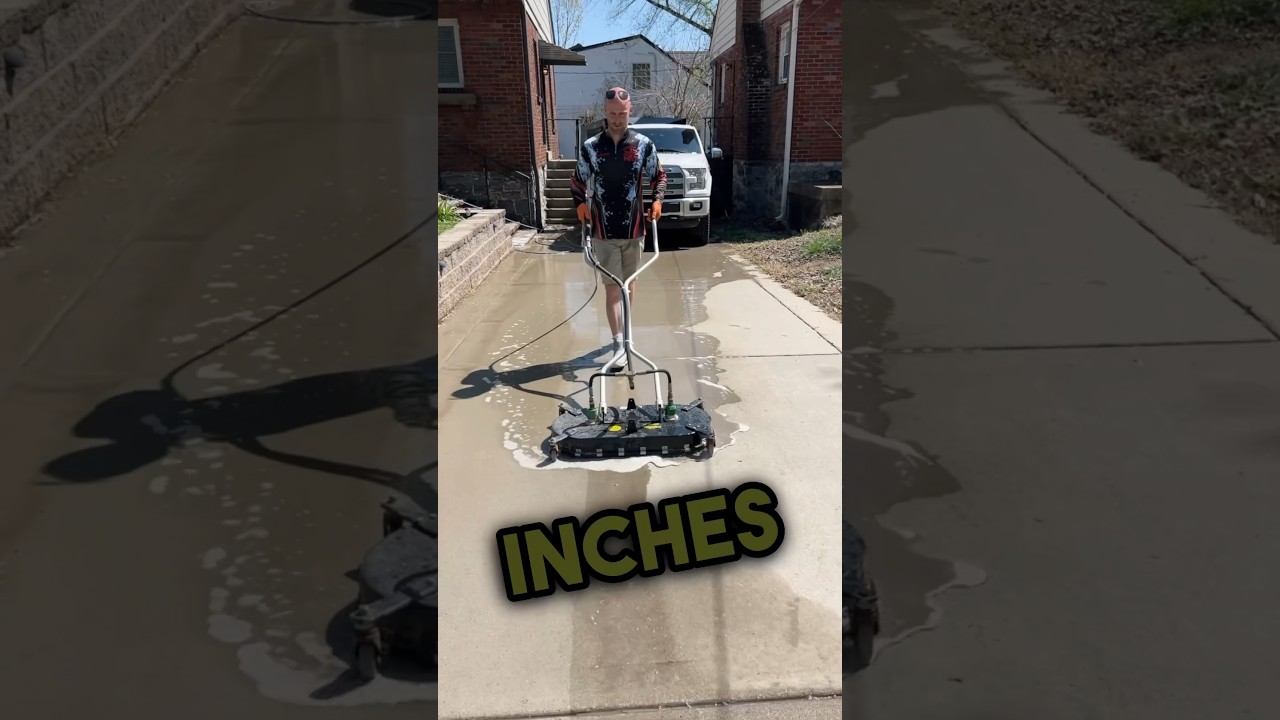
A pressure washer can be very effective on outdoor tile, particularly when combined with hot water or a degreaser applied beforehand. Use a fan nozzle and keep the pressure moderate, around 1,500 to 2,000 PSI for most tiles. Hold the nozzle at least 20 to 30 centimetres from the surface. Excessive pressure can erode grout, chip tile edges and damage the surface of softer natural stone. Be mindful that run-off carries grease and detergent, so direct water onto lawn or a garden bed rather than into the stormwater drain.
Treating Grease on Porous and Natural Stone Tiles
Natural stone needs a gentler approach. Avoid acidic products such as vinegar, lemon juice or harsh acid-based cleaners, as these can etch limestone, travertine and some sandstone. Instead, use a pH-neutral stone cleaner.
For deep-set https://codycggw557.solsticebrief.com/posts/reviving-outdoor-tiles-a-guide-for-fairfield-homeowners stains, a poultice works well. Mix an absorbent powder (diatomaceous earth or a commercial poultice product) with a suitable solvent or degreaser to form a thick paste, similar to peanut butter. Spread it about 6 millimetres thick over the stain, cover with plastic wrap, tape the edges and leave it for 24 to 48 hours. As the poultice dries, it draws oil out of the stone. Remove it, rinse the area and repeat if the stain persists.
Cleaning Greasy Grout
Grout is more porous than most tiles and tends to hold onto grease and discolouration. A paste of bicarbonate of soda and warm water, scrubbed with a firm toothbrush or grout brush, works for light staining. For heavier build-up, use an alkaline degreaser according to the manufacturer's directions. Oxygen-based cleaners can help lift discolouration without the fumes or fabric-bleaching effects of chlorine bleach. After cleaning, consider applying a quality penetrating grout sealer to reduce future absorption.
Safety and Environmental Considerations
- Test first: Always trial any cleaner on a small, inconspicuous area to check for discolouration or surface damage.
- Never mix chemicals: Combining bleach with ammonia or acidic products can release dangerous gases.
- Protect plants and pets: Western Sydney gardens often back directly onto patios, so rinse run-off away from sensitive plants and keep pets away until surfaces are dry.
- Mind the drains: Grease and detergent should not enter stormwater drains, which flow to local creeks and rivers such as those in the Hawkesbury-Nepean catchment. Collect wastewater where possible or direct it onto grass.
- Prevent slips: Wet, greasy tile is extremely slippery. Wear non-slip shoes while cleaning and let surfaces dry fully before use.
Preventing Future Grease Build-Up
Prevention is far easier than cure. A few simple habits will keep outdoor kitchen tiles looking clean for years.
Use a Grease Mat or Splash Protection
Place a washable outdoor BBQ mat or splatter mat beneath and around the grill. These are inexpensive, catch drips before they reach the tile and can be hosed or machine washed.
Seal Your Tiles and Grout
A penetrating sealer fills the pores of natural stone, unglazed tile and grout, so oil sits on top rather than soaking in. Most sealers need reapplication every one to three years depending on traffic and product quality. In 2026, many water-based, low-VOC sealers are available that perform well and are easier to apply than older solvent-based products.

Maintain Your BBQ
Empty drip trays and grease traps regularly, clean grill surfaces after each use and avoid overfilling with fatty cuts. Trimming excess fat before cooking reduces dripping and flare-ups.
Sweep and Rinse Routinely
A quick sweep after each cook and a fortnightly wash with a mild detergent prevents residue from baking onto the surface in the Western Sydney sun. Covering the outdoor kitchen area when not in use also reduces dust and pollen that combine with grease to form stubborn grime.
When to Call a Professional
Some situations are best left to specialists. If grease has penetrated deep into natural stone, if tiles are etched or discoloured, if grout is crumbling or if a large outdoor area needs restoring, a professional tile and grout cleaning or pressure washing service has commercial-grade equipment, hot water extraction machines and suitable chemicals that deliver consistent results without risking damage. Local professionals in Western Sydney also understand regional conditions such as hard water, heavy summer UV and the types of stone and porcelain commonly installed in the area. Professional sealing after cleaning offers long-term protection that DIY products sometimes cannot match.
Final Thoughts
Removing BBQ grease from outdoor kitchen tile flooring comes down to acting quickly, matching the cleaning method to the tile type and avoiding harsh tools or chemicals that cause lasting damage. Absorb fresh spills, use a good degreaser with a nylon brush, rinse thoroughly and treat porous stone with care. Combined with sealing and sensible prevention, these steps keep your outdoor entertaining area safe, hygienic and attractive through every Western Sydney summer and beyond into 2027.
Western Sydney Pressure Cleaning
Unit 2/1 Cowpasture Pl, Wetherill Park NSW 2164
(02) 9000 1596